Down the Lens Interviews: Why I Use a Periscope Instead of a Teleprompter
One of the most useful tools I’ve found for interviews isn’t a camera or a lens, it’s a periscope teleprompter. Not for reading lines, but for something much simpler. It allows the person being filmed to maintain direct eye contact with a real human being, while still looking straight down the lens.
That small shift changes everything.
In more traditional setups, especially in corporate work, down the lens pieces are often delivered via teleprompter. It’s effective, it keeps messaging tight, but it also creates a certain distance. The subject is reading, not responding.
With a periscope setup, the subject sees a person rather than text. They can react, pause, adjust, and engage in a way that feels natural. You get eye contact, but you also get the subtle human cues that sit behind it, nods, expressions, hesitation, confidence.
Over time, I’ve found this approach works differently depending on the kind of film you’re making.
Artist and Designer Profiles
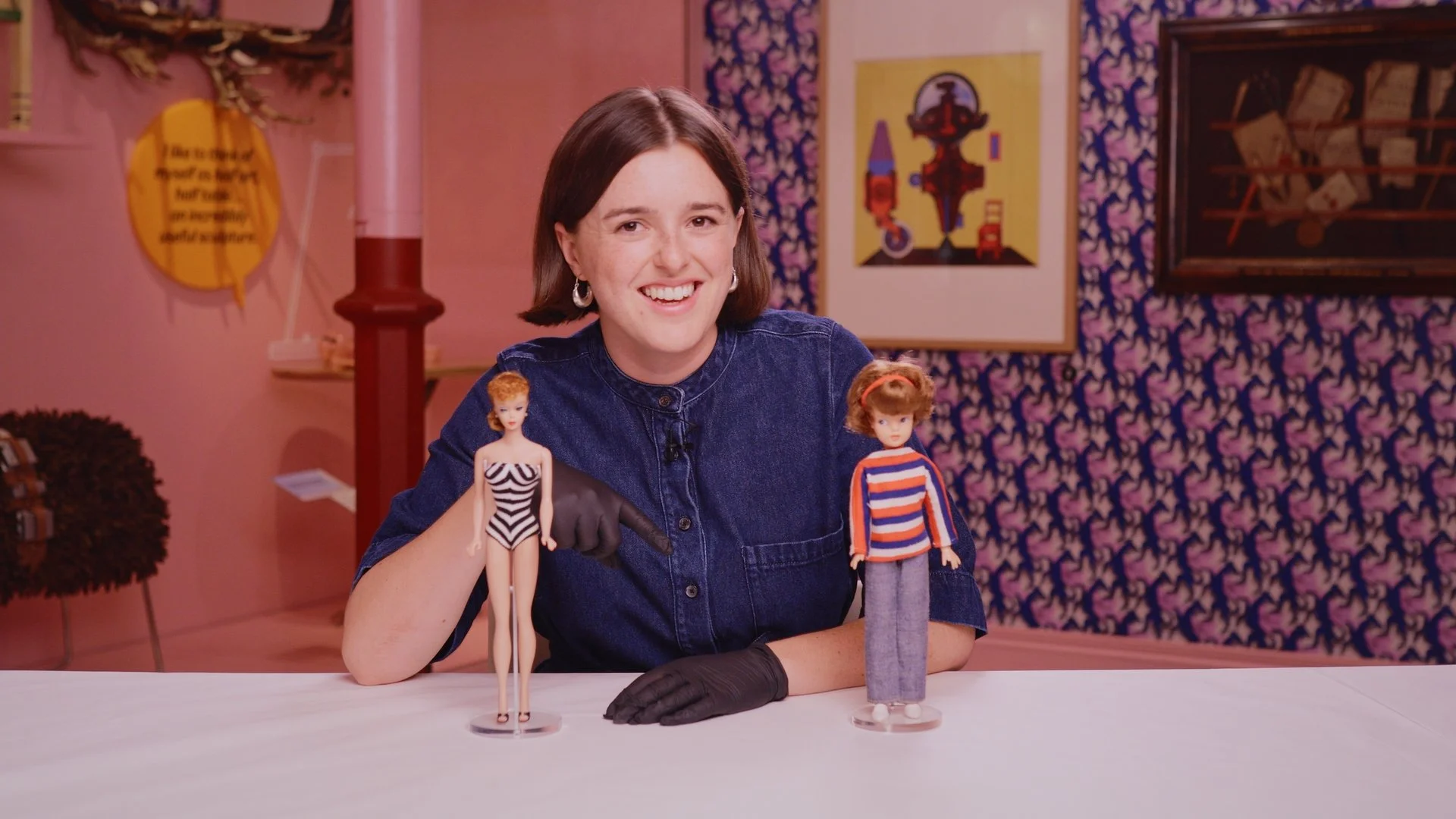
In artist profiles, the goal is usually to connect the audience to the process.
When a designer explains their work while maintaining eye contact with a real person, it shifts the tone. It feels less like explanation and more like insight. The audience isn’t being told what something is, they’re being brought into how and why it exists.
The periscope setup helps keep that natural flow intact. The subject is speaking to someone, not performing to a camera.

Presenter-Led Films
In presenter-led work, the dynamic changes slightly. The subject is addressing an audience, but the presence of a real person keeps it grounded.
Without that, direct-to-camera delivery can become rigid or overly rehearsed. With it, the delivery feels more like a conversation that happens to be aimed at the viewer. It holds onto clarity, but gains a level of engagement that’s harder to achieve when someone is simply reading lines.
I’ve also used the same approach in more corporate contexts, for example in worker profile films, including a recruitment piece for Air Liquide. In those situations, maintaining eye contact helps shift the tone away from something purely informational and towards something more personal and relatable.
Charity and Testimonial Films
This is where the difference is most noticeable.
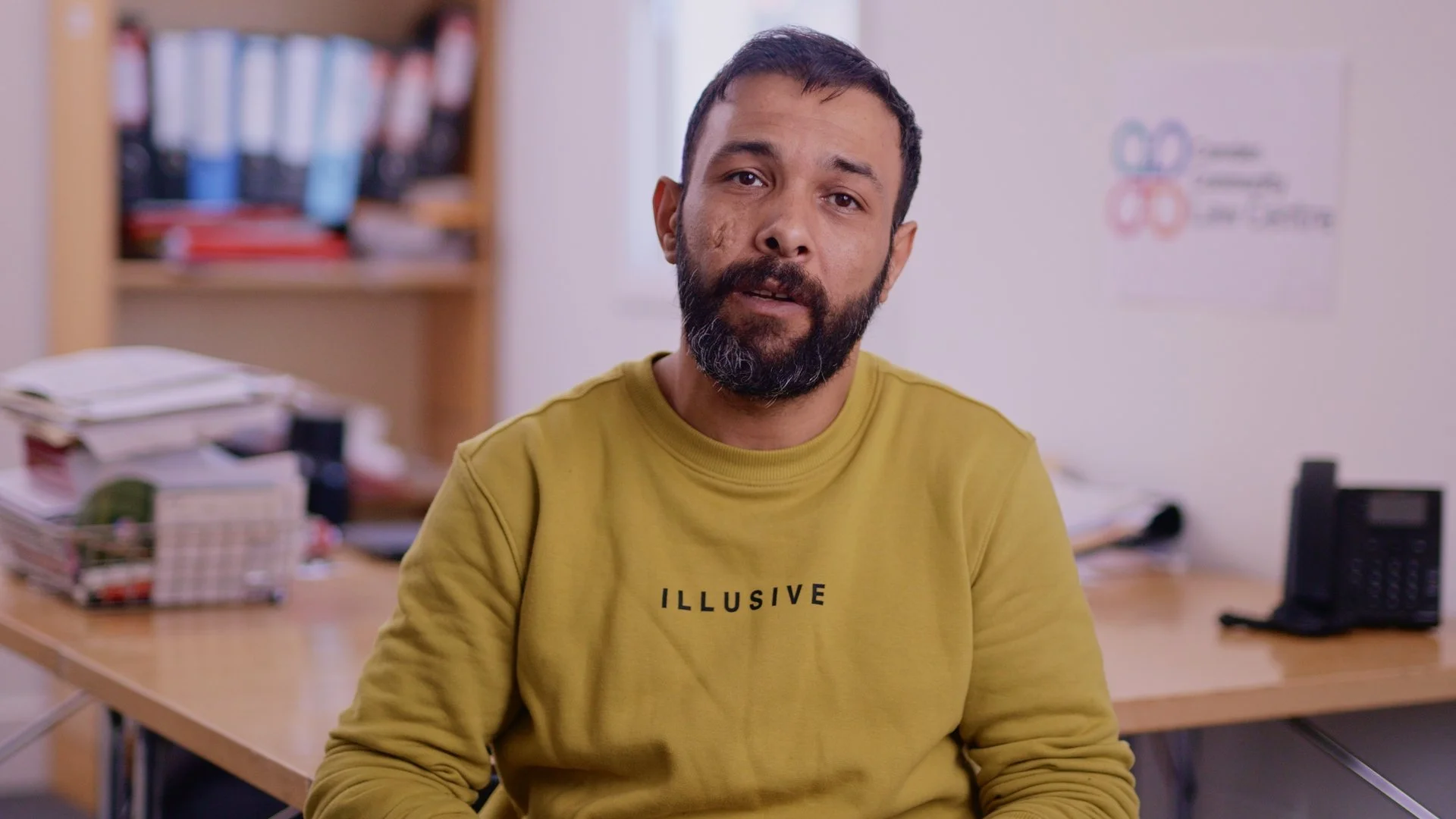
In charity work, contributors are often being asked to talk about personal or difficult experiences. Expecting someone to do that while staring into a lens can feel unnatural, even isolating. Giving them a person to connect with changes that dynamic. The camera becomes less of an obstacle and more of a conduit. It allows for vulnerability without removing support.
The result is not just more direct, it’s more human.
More Than a Setup
From the outside, down the lens interviews can look like a stylistic choice. In practice, the setup behind them determines how they feel. A teleprompter gives you precision and control. A periscope setup gives you connection and responsiveness.
Neither is right or wrong. It depends on what the film needs.
For the kind of work I tend to make, where the aim is to stay close to people, process and intent, the ability to maintain genuine eye contact has become less of a technical option and more of a way of working.
If you’re working on something where how people are filmed matters as much as what they say, feel free to get in touch.